
Waking up with itchy red bites and no idea where they came from is unsettling. If bed bugs are the culprit, a professional pest control service for bed bugs can help identify the infestation and determine the right treatment. This guide explains how to get rid of bed bugs in three clear stages: confirm the problem, treat every hiding spot, and stop them from coming back.
First, a reassurance. Bed bugs feed on blood, not dirt, so a spotless home is just as likely to get them as a cluttered one. They hitchhike on luggage, clothing, and secondhand furniture. Having them is a nuisance, not a reflection of how you live.
How to Know You Have Bed Bugs Before You Treat
Before you start any bed bug treatment, make sure bed bugs are actually the problem. Bites alone can look like flea or mosquito bites, so look for physical evidence.
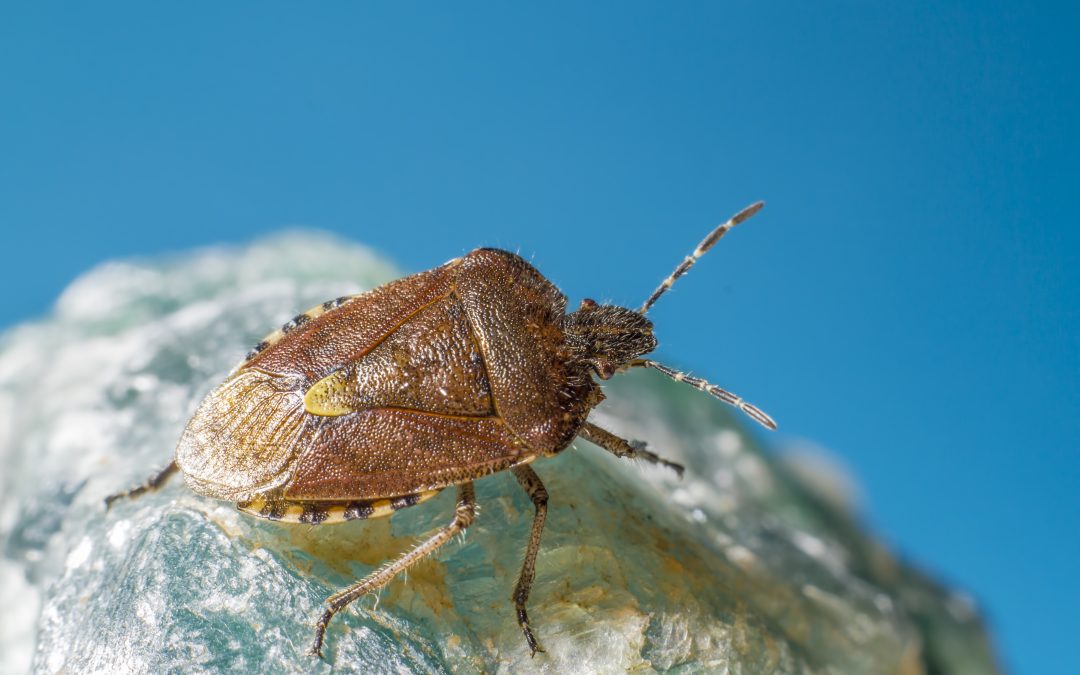
Adult bed bugs are flat, oval, and reddish-brown, roughly the size of an apple seed. Young bed bugs (nymphs) are smaller and pale. After feeding, they swell and darken. Because they are active mostly at night and hide well, you will more often see signs than the insects themselves:
- Itchy bites on skin exposed while you sleep, often in lines or clusters
- Small dark spots on sheets or mattress seams (droppings), or rusty stains from crushed bugs
- Shed skins and tiny pale eggs along seams and crevices
- A musty, sweet odor in heavier infestations
If you find live bugs or several of these signs, move on to a proper inspection.
Inspecting for Bed Bugs: Where to Look
Thorough inspecting for bed bugs tells you how far the problem has spread, which decides your treatment. Work in a well-lit room with a flashlight, and start at the bed, since that is where bed bugs gather most often.
- Mattress and box spring. Check the seams, tags, piping, and the four corners. Flip the box spring and examine the underside fabric.
- Bed frame and headboard. Look in joints, screw holes, and cracks. Wall-mounted headboards are a favorite hiding place.
- Nearby furniture. Inspect nightstands, dressers, and picture frames within a few feet of the bed.
- Upholstery and walls. Check couch seams, curtain folds, baseboards, and behind outlet covers.
- Pet bedding. Bed bugs will happily settle there too.
A flashlight and an old credit card help, since you can run the card along seams to flush out bugs. Place a white sheet under the area you check so dark specks stand out. If you find signs in more than one room, the infestation is likely established, and professional help becomes much more worthwhile.
What Kills Bed Bugs Instantly?
People searching for what kills bed bugs instantly want a magic spray. The honest answer is that no household product wipes out an infestation instantly. Bed bugs hide in tiny cracks, and their eggs are protected from most products. What comes closest is high heat.
What works quickly:
- Hot dryer: Items dried on high heat for at least 30 minutes kill bed bugs and eggs.
- Steam: A steamer applied slowly to seams, edges, and crevices kills bugs on contact when the steam reaches them.
- Professional heat treatment: Technicians raise the temperature of a room to a level that kills every life stage in a single visit.
What does not work well:
- Rubbing alcohol and essential oils: They may kill a bug they touch directly but do not reach hidden bugs or eggs.
- Bug bombs and foggers: They can push bed bugs deeper into walls and into neighboring rooms.
- Starving them: Bed bugs can survive for months without a meal, so leaving a room empty is not a solution.
Treat “instant” claims with caution, and focus on methods that reach every hiding place.
Best Way to Get Rid of Bed Bugs at Home: Step by Step
The best way to get rid of bed bugs at home is to combine several methods, because no single step clears an infestation on its own. Here is a practical routine.
Step 1: Contain the problem. Avoid moving items between rooms. Bag infested bedding and clothing in sealed plastic bags before carrying them to the laundry.
Step 2: Wash and dry on high heat. Wash bedding, curtains, and clothing in hot water if the fabric allows, then dry on the hottest setting for at least 30 minutes. The dryer does the killing, so do not skip it. Items that cannot be washed can often go in the dryer alone.
Step 3: Vacuum thoroughly. Use a hose attachment along mattress seams, bed frames, baseboards, and furniture joints. Empty the canister or seal the bag in a plastic bag and discard it outside right away.
Step 4: Steam the hiding spots. Move slowly over seams, tufts, bed frame joints, and baseboards. Steam is useful because it reaches into crevices without chemicals.
Step 5: Encase the mattress and box spring. Use a zippered cover made for bed bugs, and check it for tears. Any bugs trapped inside eventually die, and the cover removes their favorite hiding place.
Step 6: Reduce clutter and rearrange. Remove piles of papers, boxes, and clothing from the floor. Pull the bed away from walls and keep bedding from touching the floor.
Step 7: Monitor with interceptors. Place interceptor cups under each bed leg. They trap bugs trying to climb up or down and show you whether treatment is working.
Step 8: Re-check every week. Eggs hatch in roughly ten days, so new bugs can appear after your first round. Repeat the inspection and cleaning for several weeks.
Bed Bug Treatment Options: DIY vs Professional
Choosing the right bed bug treatment depends on how large the infestation is and how much time you can commit.
| Option | Best for | Pros | Cons |
|---|---|---|---|
| DIY (heat laundering, steam, vacuuming, encasements) | Small, early infestations in one room | Low cost, immediate action | Time-consuming; easy to miss hiding spots |
| Professional heat treatment | Moderate to severe infestations | Kills all life stages, often in one visit, no chemical residue | Higher upfront cost; home needs preparation |
| Professional chemical treatment | Multi-room infestations | Residual protection | Usually needs follow-up visits |
If bites continue after two to three weeks of consistent DIY effort, or if you find bugs in multiple rooms, call a licensed pest professional. In shared buildings, tell your landlord or property manager too, because bed bugs move between units through walls and pipes.
A good provider will inspect first to confirm bed bugs, explain the treatment plan, and schedule follow-up visits. Ask what preparation is needed and how long you will need to stay out of the room.
How to Get Rid of Bed Bugs After Travel or Secondhand Purchases
Travel and used furniture are common ways bed bugs enter homes, so they deserve special care.
- In hotels: Check the mattress seams and headboard before unpacking. Keep your luggage on a rack rather than on the bed or floor.
- After trips: Unpack in a bathroom or garage, put all clothing straight into the dryer on high heat, and vacuum the suitcase.
- Secondhand items: Inspect used mattresses, couches, and bed frames carefully before bringing them inside. If you are unsure, skip the purchase.
How to Keep Bed Bugs From Coming Back
Prevention is easier than another round of treatment.
- Keep the mattress and box spring in protective encasements
- Keep clutter low, especially around beds
- Seal cracks and crevices near the bed and along baseboards
- Check your bed seams monthly, and check more often after traveling
- Consider an annual professional inspection if you travel often, live in an apartment, or have had bed bugs before
Frequently Asked Questions
What kills bed bugs instantly?
Direct heat comes closest. Steam applied directly to bed bugs and a hot dryer cycle kill them quickly, but nothing at home works instantly across a whole infestation. Eggs and hidden bugs need repeated, thorough treatment.
What is the best way to get rid of bed bugs at home?
Combine methods: launder fabrics on high heat, vacuum, steam seams, encase the mattress, and monitor weekly. Consistency matters more than any single product.
How long does bed bug treatment take?
A professional heat treatment may finish in a day, though follow-up checks are still smart. DIY efforts and chemical treatments often take several weeks, because new bugs hatch after the first round.
How should I start inspecting for bed bugs?
Use a flashlight to examine mattress seams, box spring corners, the headboard, and bed frame joints. Then check nearby furniture, baseboards, and outlet covers for live bugs, dark spots, shed skins, and eggs.
Do bed bugs mean my home is dirty?
No. Bed bugs feed on blood, not dirt, so they can live in any home, hotel, or apartment.
When should I call a professional?
Call a pro if bugs are in more than one room, bites keep appearing after weeks of treatment, or you live in a multi-unit building. Professionals can reach hiding places that are hard to treat on your own.
Conclusion
Getting rid of bed bugs takes patience and a methodical approach. Universal Pest Control recommends confirming the infestation, inspecting every likely hiding place, and using appropriate treatments such as heat, steam, vacuuming, and mattress encasements. Re-check weekly to catch newly hatched bugs, and contact a professional when the infestation spreads or persists. Maintaining preventive habits afterward can also help reduce the risk of a recurring bed bug problem.