
Finding bed bugs in your home is one of those moments that sticks with you. Maybe you noticed small reddish-brown bugs in the seams of your mattress, or maybe you woke up with itchy bites lined up down your arm. Whatever brought you here, you’re probably wondering how can I treat bed bugs without wasting money on stuff that doesn’t work. This guide covers what actually helps, what doesn’t, and when it’s time to call in a bed bug control expert instead of handling it yourself.
Bed bug control isn’t always straightforward. These insects hide in cracks, go long stretches without feeding, and can hitch a ride right back into your home after treatment if you’re not careful. We’ll walk through identification, home treatment options, professional pest control for bed bugs, and the prevention habits that keep them from coming back.
Signs You Actually Have a Bed Bug Infestation
Before jumping into treatment, it helps to confirm what you’re actually dealing with. Bed bugs leave behind a few telltale clues, and once you know what to look for, they’re hard to mistake.
-
- Small rust-colored or dark spots on sheets and mattress seams, which are dried blood or fecal matter.
-
- Shed skins or eggshells, tiny and pale, often tucked into mattress piping or furniture joints.
-
- A musty, sweetish odor in heavily infested rooms.
-
- Bite marks in a line or cluster, typically on skin exposed while sleeping.
-
- Live bugs themselves, flat and reddish-brown, about the size of an apple seed.
According to the CDC’s overview on bed bugs, these insects feed on blood and are most active at night, which is why bites and signs usually show up around sleeping areas first. If you spot even one or two of these signs, it’s worth doing a thorough inspection before things spread to other rooms.
How Can I Treat Bed Bugs Myself
DIY treatment can work for small, early-stage infestations, but it takes patience and real thoroughness. Half-measures just scatter the bugs into new hiding spots, and then you’re back to square one.
Wash and Heat-Treat Fabrics
Bed bugs can’t handle heat. Washing infested bedding, clothing, and curtains in hot water, then drying them on the highest heat setting for at least 30 minutes, kills both bugs and eggs. This lines up with the US EPA’s findings, which show that 100% of bed bug life stages die at temperatures of 45°C (113°F). That number matters because it tells you heat treatment doesn’t need to be extreme, it just needs to be sustained and even.
Vacuum Thoroughly and Often
Vacuum mattresses, box springs, bed frames, baseboards, and any upholstered furniture. Pay close attention to seams, folds, and cracks, that’s where they like to hide. After vacuuming, seal the bag in plastic and get it outside right away, otherwise you risk letting bugs right back into the house.
Use Mattress and Box Spring Encasements
A good encasement traps any remaining bugs inside and starves them out, since they can’t reach you to feed. Look for encasements made specifically for bed bugs, with zippers designed so nothing escapes. Leave them on for at least a year. Bed bugs can survive surprisingly long stretches without a meal, so don’t rush this part.
Reduce Clutter
Clutter gives bed bugs more places to hide and makes inspection harder. Clearing out piles of clothes, papers, and unused items under beds and in closets cuts down their hiding spots and makes it easier to catch an infestation early.
Apply EPA-Registered Insecticides Carefully
If you go the chemical route, stick to products registered specifically for bed bugs. Follow the label instructions exactly, since misuse can be both useless and dangerous. Don’t spray mattresses with products not labeled for that use, and never mix chemicals together.
Worth noting: bed bugs can survive at temperatures as low as 7°C (46°F) and still stay active, according to the US EPA. So leaving infested items outside in the cold for a day or two usually won’t do the trick. Cold treatment needs sustained freezing over an extended period, and that’s harder to pull off at home than it sounds.
When DIY Isn’t Enough
Bed bugs are stubborn, and DIY methods often fall short once an infestation spreads past a single room. A few signs it’s time to bring in professional pest control for bed bugs:
-
- You’ve tried washing, vacuuming, and encasements, but bites and sightings keep showing up after a few weeks.
-
- The infestation has spread to multiple rooms or shared walls in an apartment building.
-
- You’re finding bugs in electrical outlets, behind wallpaper, or inside furniture joints that are hard to reach.
-
- You live in a multi-unit building where bugs can travel between units through pipes and wiring.
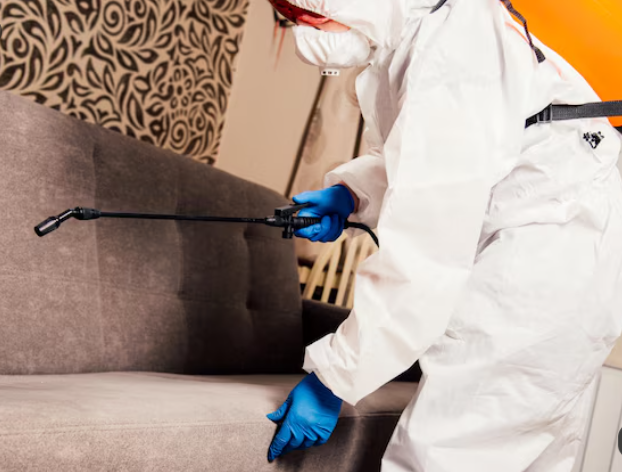
At this point, a bed bug control expert has access to tools and treatments that go beyond what’s available to homeowners, including professional-grade heat equipment and residual insecticides you won’t find over the counter.
Professional Bed Bug Control Options
Thermal Remediation
Heat treatment, sometimes called thermal remediation, raises the temperature of an entire room or home high enough to kill bed bugs at every life stage, eggs included. Technicians use specialized heaters and monitor temperatures with sensors placed around the space. Since the EPA notes that 45°C (113°F) is lethal to bed bugs, professional heat treatments usually aim well above that, to cover cooler spots inside walls, furniture, and other hard-to-reach corners. This method typically takes a full day and doesn’t require tossing out furniture or bedding, which is a real advantage over throwing everything away.
Chemical Treatment
Multi-visit chemical treatments are still common, especially for larger infestations or buildings with a history of bed bug trouble. A technician applies insecticides to cracks, crevices, baseboards, and other hiding spots, then comes back for follow-up visits to catch anything that hatched after the first round. This usually means two to three visits spaced a couple of weeks apart, since insecticides work better on active bugs than on eggs.
Integrated Pest Management
Many companies offering pest control for bed bugs now combine heat, chemical treatment, and physical removal (vacuuming, steam cleaning) into one plan. This tends to work better than relying on a single method, since it goes after both the visible bugs and any hidden eggs or stragglers that survive the first pass.
How Long Does Bed Bug Treatment Take
Timelines depend on how bad the infestation is and which method you use. Heat treatment is often done in a single day, though you may need to leave the home during the process. Chemical treatments usually need two to three visits over several weeks, since one application rarely gets every egg and bug. Severe or long-standing infestations, especially in multi-unit buildings, can drag on for a month or more, particularly if neighboring units are infested too and not treated at the same time.
Preparing Your Home Before Professional Treatment
Prep work matters almost as much as the treatment itself. Most bed bug control expert services will ask you to:
-
- Strip and wash all bedding, curtains, and clothing in hot water before the appointment.
-
- Vacuum mattresses, carpets, and furniture thoroughly.
-
- Reduce clutter so technicians can get to baseboards, closets, and furniture joints.
-
- Bag clean items in plastic to keep them separate from infested areas until treatment wraps up.
-
- Avoid moving furniture or belongings between rooms, since that can spread bugs to areas that weren’t affected before.
Skipping prep is one of the most common reasons effective bed bug treatment fails the first time around. Technicians need clear access to do their job right, and clutter or unwashed fabrics just give bugs more places to hide during treatment.
Preventing Re-Infestation After Treatment
Getting rid of bed bugs is only half the job. Keeping them out takes some ongoing habits, and yes, that means staying a little paranoid for a while.
Inspect secondhand furniture, mattresses, and clothing before bringing them into your home. Bed bugs commonly hitch rides on used items, so a quick check of seams and joints can save you a lot of hassle later. When traveling, keep luggage off hotel beds and upholstered furniture, and check the mattress seams and headboard area before you unpack. At home, keep using mattress encasements for at least a year after treatment, and vacuum regularly, especially around beds and seating areas.
If you live in an apartment or shared building, talk to your neighbors or property manager if you suspect bed bugs are showing up elsewhere in the building. Bed bugs travel through walls, under doors, and along shared pipes, so treating just one unit often isn’t enough for long-term bed bug treatment success in multi-unit housing.
Frequently Asked Questions
Can bed bugs be completely eliminated without professional help?
Small, caught-early infestations sometimes respond to thorough DIY treatment involving heat, vacuuming, and encasements. Larger or spread-out infestations usually need professional help to fully resolve.
How much does professional bed bug treatment typically cost?
Costs and timelines vary a lot based on how bad the infestation is, the treatment method, and home size. Heat treatments are often done in one visit, while chemical treatments may need multiple visits over several weeks.
Do bed bugs only live in beds?
No. Mattresses and bed frames are common hiding spots, sure, but bed bugs also hide in furniture seams, electrical outlets, behind wallpaper, and in cracks along baseboards.
Will throwing out my mattress get rid of bed bugs?
Not necessarily. If bed bugs have spread to other furniture or parts of the room, replacing just the mattress won’t fix things. Better to treat the whole room first, then think about encasements or replacement afterward if needed.
Can cold temperatures kill bed bugs?
Bed bugs can survive at temperatures as low as 7°C (46°F) and stay active, so a brief chill won’t do much. You need sustained freezing over an extended period, and that’s tough to manage consistently at home.
Conclusion
Dealing with bed bugs takes patience, thoroughness, and realistic expectations. DIY methods like heat-washing fabrics, vacuuming, and using encasements can help manage small infestations caught early. However, once bed bugs spread across multiple rooms or into shared walls, professional pest control for bed bugs becomes a more reliable solution. At Universal Pest Control, we understand the importance of effective bed bug treatment and prevention. Our goal is to help eliminate bed bugs at every life stage, not just the ones you can see. By combining professional pest control with ongoing prevention habits, such as inspecting secondhand items and protecting your luggage while traveling, you can reduce the risk of future infestations and keep your home bed bug free.