
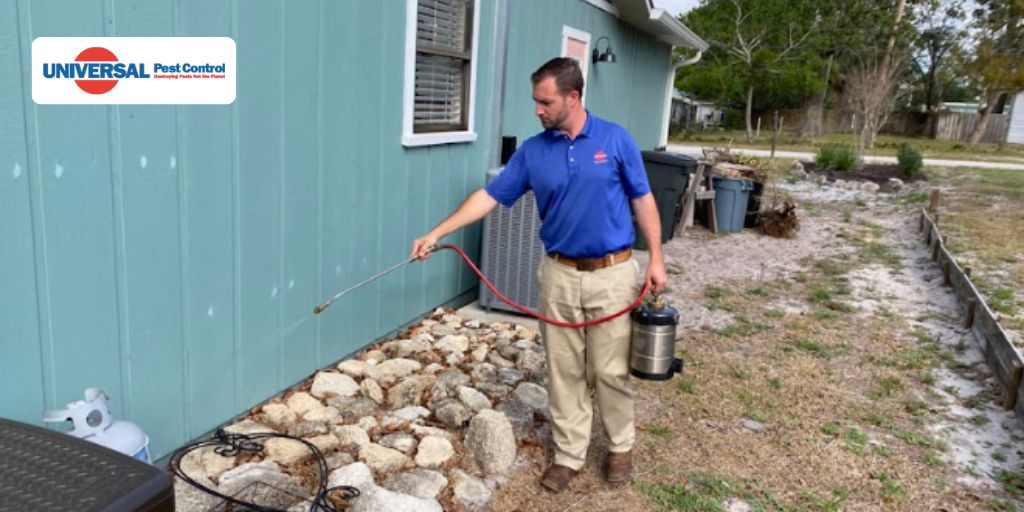
Pests are a common problem for homeowners, but when left untreated, they can quickly turn into serious threats to health, property, and peace of mind. From termites silently damaging wooden structures to insects contaminating food and living spaces, pest infestations require more than temporary solutions. This is where it would be necessary to have a professional residential pest control service.
Understanding how pest control works, what methods are used, and how to choose the right pest control company can help homeowners make informed decisions and protect their homes effectively. This guide will provide detailed information on pest control methods, answer popular questions, and assist you in finding the most effective pest control solutions for residential properties.
Understanding Residential Pest Control and Why It Matters
Residential pest control is a professional service that is aimed at preventing, controlling, and eradicating pests in houses. Professional insect pest control aims at long-term outcomes compared to short-term relief that is applied in DIY sprays and OTC products. A reliable pest control company doesn’t just remove visible pests; it identifies the source of the infestation and prevents it from returning.
The most frequent pest types that may be found in residential houses are ants, cockroaches, spiders, termites, mosquitoes, bed bugs, and other insects. Such pests may transmit bacteria, cause allergies, destroy structures, and lead to poor indoor air quality. The reports suggest that just the damage to properties caused by termites every year amounts to billions of dollars and is not always noticeable.
A professional residential pest control service begins with a detailed inspection of the home. This examination assists in determining the species of pests, nesting sites, access points, and environmental factors that are favorable to pests. On the basis of this analysis, technicians develop a tailored treatment regimen that is supposed to help control the existing infestations as well as minimize the chances of emerging issues in the future.
Residential pest control is not a one-time process but a strategic task that aims at safety, prevention, and protection in the long term.
Pest Control Methods: What Are the Four Methods of Managing Pests?
When discussing pest control methods, professionals generally classify them into four main approaches: physical, chemical, biological, and integrated pest management (IPM). Knowing these techniques will make any homeowner value the way pest control is performed in modern times and why it is better to hire an expert than to investigate it on their own.
Physical pest control involves using mechanical or structural solutions to prevent or remove pests. This involves closing cracks and holes, installing screens, putting traps, and even physically eliminating the pests in the house. Physical methods are often used as a first line of defense because they reduce pest access without chemicals. While effective, physical methods alone may not eliminate an infestation if pests are already established.
Chemical pest control uses professional-grade insecticides to control pest populations. These products are used in strategic regions where pests live, move, or mate. The modern chemical procedures are designed in a way that they are effective and have minimal risks to human beings and pets when properly applied by well-trained professionals. Chemical methods are especially useful for severe infestations and fast-spreading insect populations.
Biological pest control relies on natural predators or microorganisms to manage pest populations. For example, beneficial insects can be employed to alter unwanted insect species, or microbial therapy can be applied to particular pests, without harming individuals or the ecology. Biological techniques are greener and sustainable, yet they usually complement other techniques used in the regulation of the problem.
Integrated Pest Management (IPM) is the most advanced and widely recommended approach today. In IPM, all the pest control methods are integrated into one science-based approach. It aims at identifying, tracking, preventing, and treating pests, instead of the periodic use of chemicals. The IPM produces less environmental effect and achieves long-term pest control outcome hence being the method of choice by professional pest control firms.
Collectively, these four practices are the basis of contemporary insect control and residential pest control.
What Do Pest Control Companies Use and How Do They Work?
Many homeowners wonder what professional pest control companies use that makes their services more effective than store-bought products. The distinction is in training, technology, and access to high-level tools and treatments.
A professional pest control organization has commercial-grade products that are not accessible to the general population. These are special baits, remnants, sprays, dusts, gels, and specific pest-tolerated treatments. These products are used in specific areas to ensure maximum effect is achieved with a lot of safety being taken.
Besides chemicals, the complex inspection equipment, observation devices, and exclusion material are also employed by pest control companies. Professional pest control is significant in sealing any entry points, enhancing sanitation, and changing the environment surrounding a home. This would not allow pests to come back, but just kill those that are visible.
Above all, there are trained technicians who are aware of pest behavior. Awareness of the pest infestations, their breeding patterns, and their attraction sites enables the professionals to get rid of the infestations at an early stage. It is this experience that renders professional residential pest control service much more effective than do-it-yourself techniques.
How Much Does Residential Pest Control Cost?
Residential insect pest control prices vary with a number of factors, such as the kind of pest, the level of infestation, the size of the house, and the mode of treatment that is necessary. No one-price-fits-all situation exists.
Treatment of simple pests like ants, spiders, or cockroaches costs around 100-300 dollars once. More complicated problems, like termites or frequent pest activity, can also be treated with special methods or be part of a service plan that is more expensive.
A high percentage of homeowners prefer the annual contracts of pest control programs since they provide year-round pest control services. Such plans prevent the infestations before they begin, and save money, since large-scale damage or widespread treatments will be avoided.
Cost is a factor of great consideration, but selecting the most affordable alternative, and it may result in unfinished treatment and re-infection. When investing in a reputable pest control company, one will be assured of good results, protection in the long run, and peace of mind.
Choosing the Best Pest Control Company for Your Home
The correct pest control firm is as important as learning pest control methods. The ultimate pest control firm is the one that is reliable in service provision, has expertise that has been tested, and also provides solutions specific to your home.
A homeowner ought to find appropriate licensing and certifications by the pest control company that they select to ensure that the company will act in accordance with the industry standards and safety regulations. Also, experience is important- the companies that have a good history of the pests are more likely to be aware of the local pest problems and seasonal patterns.
A trustworthy pest control company should be transparent about its methods, pricing, and service guarantees. They are supposed to clarify what treatment should be and provide solutions that fit your interests, it is either eco-friendly or long-term protection.
Customer reviews and referrals are valuable indicators of service quality. A company that has constant positive feedback is reliable and professional. The most desirable companies also have follow-up services and guarantee the continued absence of pests.
Ultimately, the most preferable pest control company is the one that is concerned with the safety, comfort, and the prevention of pests in the long-term of your home rather than providing quick solutions.
Frequently Asked Questions About Residential Pest Control
What is residential pest control?
Residential pest control is a technical service that examines, administers, and prevents pest invasion in houses through established approaches and long-term measures.
How much does residential pest control cost?
The prices depend on the type of pest, the level of the infestation, and the size of the home. Simple procedures can be as low as $100 to $300, and specialized services could be higher.
What do pest control companies use?
They use professional-grade products, improved tools, physical barriers, and integrated pest management strategies in controlling and preventing pests safely and effectively.
What is the best pest control company?
The ideal pest control company is licensed, experienced, employs contemporary pest control techniques, provides bespoke plans, and has good reviews from customers.
How to choose the best pest control company?
Look for proper licensing, experience with your pest issue, transparent pricing, proven methods, and service guarantees.
Which company is the best for pest control?
The most suitable company is the one that offers quality residential pest management, preventive treatment that is long-term, and solutions that are customer-oriented, based on the needs of your house.
Final Thoughts
Pest problems don’t disappear on their own, and ignoring them can lead to serious consequences. The knowledge of pest control methods, prices, and the way specialists do their job will equip the homeowner to make informed choices. You would have years to enjoy your home, health, and investment at the trusted residential pest control service, as well as an experienced pest control company.