
📌 Key Takeaways
Termite fumigation, also known as house tenting or structural fumigation, is a professional treatment designed to eliminate widespread termite infestations throughout an entire structure. This guide explains how the fumigation process works, including tenting and treatment, the exposure period, and final aeration and safety testing. It also covers important preparation steps, such as arranging temporary accommodation, removing people, pets, plants, food, and medicines, providing access to the property, and waiting for professional clearance before re-entry. The blog explains what homeowners can expect during and after house tenting, ways to prevent future infestations, and the benefits of professional fumigation for hidden or extensive termite activity. It also emphasizes that fumigation is not appropriate for every infestation and that a professional assessment should determine the most suitable treatment.
Termites are one of the most common issues, yet only 36% of homeowners in the U.S. are familiar with the signs of termite infestation. This results in almost 600,000 homes experiencing termite damage, with average repair costs of nearly $3,300.
For this reason, termites are also known as the “silent destroyers.” Termites can cause significant damage to the structure of your home. To solve such problems, most people resort to DIY solutions, which are less effective than the termite fumigation solution provided by professional pest exterminators.
So, if you’re new to this process or don’t know what the termite fumigation process involves, keep reading to understand it carefully.
This guide includes all information you need about termite fumigation, including what is fumigating, how long does fumigation takes, how it works, and house tenting for termites. So, let’s continue reading further.
What is Termite Fumigation?
Termite fumigation, also known as “house tenting”, structural fumigation, and even “house tenting,” is a powerful pest control method used to eliminate infestations throughout the entire building. This treatment is designed to reach both accessible and inaccessible colonies in your space.
What Is the Termite Fumigation Process?
Not only does a termite infestation cause damage in terms of structure but also financial losses. In case the regular techniques fail, fumigation becomes an ideal solution to get rid of the pesky critters.
The termite fumigation process provides a powerful, total-structure solution to your space. If you’re not aware of what is fumigating, then you’re in the right place!
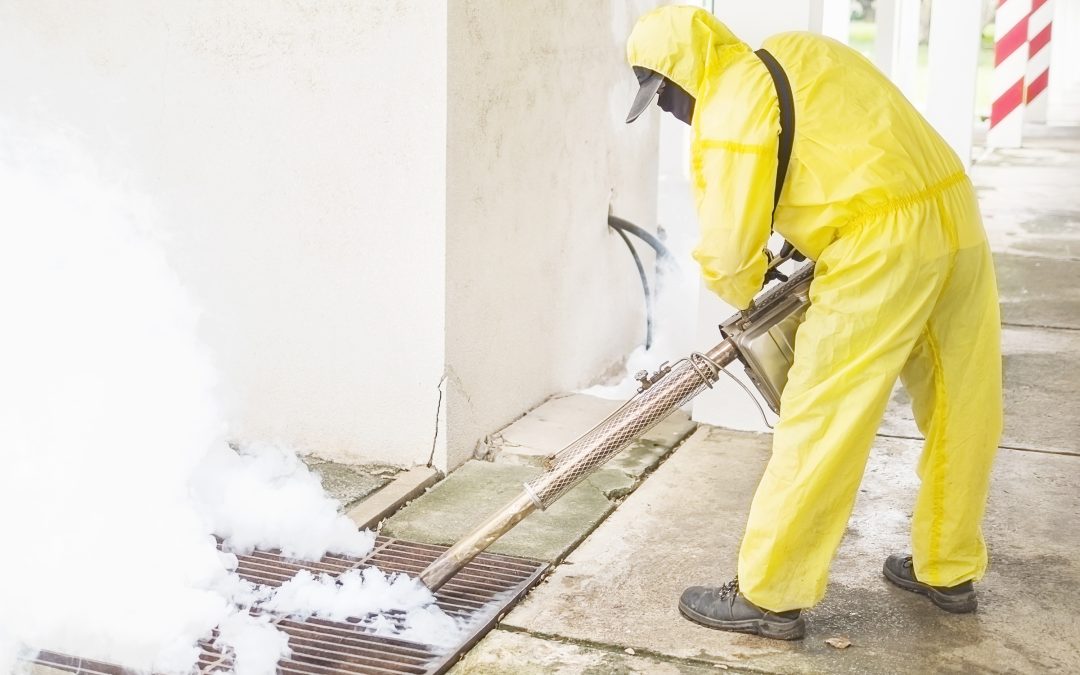
The fumigation process is a pest control technique where specialists fill the whole airspace of a building with a poisonous gas that penetrates the deepest cracks and holes to kill the pests that you cannot see.
This process lasts up to three days.
Day 1: Tenting and Treatment
Technicians seal the structure with tarps and introduce the fumigant and warning agents. The home stays sealed, so the gas can spread evenly.
Day 2: The Exposure Period
The gas remains contained for 18-24 hours to reach the hidden termite tunnels and areas where termites are living. It helps to kill the termites throughout the infestation.
Day 3: Aeration and Inspection
The traps are removed, and fans are used to remove the fumigation gas from the air. The team then tests the air to ensure it is safe for you to return home.
Are you dealing with tough infestations? Then trust the right professionals, like Universal Pest Control, to keep you safe from the damage caused by termites.
Termite Fumigation Preparation Checklist
Preparing your space is a critical step and should be handled carefully. Professional treatment ensures both the success of the treatment and the safety of your home.
Before calling the experts, follow the steps given below:
Arrange your Accommodation
The foremost thing to do is to arrange accommodation. You’ll have to evacuate your space for safety reasons during the fumigation process. It can take up to 3 to 5 days, so prepare accordingly. The pest control company will provide you with the schedule in advance, so ensure your safety. Until the team confirms that the fumigant has decreased to 1 ppm in every room, you can’t return to your personal space.
Remove Living Things:
Remove all living things from your space. This includes people, pets, mammals, and houseplants. Take your pets and plants with you for their safety. Also remove the food for pets or store it in sealed Nylofume bags and keep empty bowls for your pets. Make some space for the indoor plants as well; they should also be kept away from the gas.
Turn Off Gas and Appliances:
Turn off the main gas source before fumigation starts. Next, switch off gas appliances like the stove, water heater, oven, and furnace if you have them. Also, unplug any electrical devices in your home. You can listen to the professional regarding the devices to plug in.
Protect Food & Medicines
Seal your medicines and food in “fume-bags” provided by the exterminator’s team. Sealing of items ensures their protection against exposure to the fumigant and reusability once the process is over. You should seal your property as recommended by the team while moving it out of your residence.
Open Cabinets, Drawers & Interior Doors
Before starting the fumigation process, ensure that all interior doors, cabinets, drawers, cupboards, and closets are open. It will make sure that the fumigant can move easily and get access to all areas containing termites. If you have a safe or locked cabinet that requires fumigation, make it accessible for the team.
Provide Easy Access to the Property
Make sure the fumigation team can reach every part of your home. This means garages, attics, basements, crawl spaces, and storage rooms. Unlock gates and remove any obstacles that could slow down treatment. If needed, provide the technicians with your keys or access codes before you go.
Wait for Confirmation
Do not enter your home until the pest control service conducts the aeration procedure and guarantees that the levels of gas fumigant have become safe enough. Enter your home only after getting permission from the fumigation specialists.
House Tenting for Termites: What Homeowners Should Expect
If your home requires termite fumigation, here is what you can expect during the house tenting process:
- Your home will be covered with tarps: The fumigation crew covers your entire house with large tarps to keep the fumigant inside and enable it to circulate throughout the entire house.
- You will need to leave the property: Everyone, including pets and indoor plants, must leave the home for at least 3 to 5 days until the procedure is done.
- The fumigant kills hidden termites: The fumigant reaches the inside of walls, woodwork, cracks, and other spots where termites hide.
- Your home will be tested before re-entry: After fumigation, the specialists remove the tarps, air out the house, and check the fumigant levels. You can return only after they confirm that your home is safe.
The team at Universal Pest Control is there for you through the entire process. If you need any assistance or have any queries, ask our exterminators and clear your doubts.
What Happens After the Termite Fumigation Process?
Once the fumigation is complete, the pest control company will perform the final safety inspection. The team will confirm if your home is safe to re-enter. Once you’re back at your property, you can continue your tasks as usual, without the worry of cleaning anything.
- Just take care of a few things that are mentioned below:
- Return to your property only when you have received the official message from the exterminators that your space is safe to re-enter.
- Follow up with our experts regarding any post-treatment instructions or queries that you have.
- Look for signs of any moisture damage or wood deterioration at your home. These may require some repairs and termite solutions.
- As recommended by the expert team, follow up to ensure your property remains termite-free.
Prevention is far easier and cheaper than treating damage caused by termites. After fumigation, use the expert tips given to you by the team to prevent future termite infestations.
How to Prevent Future Termite Problems
The DIY solutions may seem cheaper, but they are not effective. So, why not rely on a solution that is effective yet affordable? Here are a few preventive measures that you can take to keep your property pest-free:
- Arrange for professional termite inspections at least once every 6 to 12 months.
- Repair any leaks from roofing, piping systems, and plumbing to avoid moisture buildup.
- Do not allow wood, firewood, or other materials that can act as harborage for termites near the foundation of your building.
- Make sure all the cracks and openings near doors, windows, utility lines, and foundation walls are sealed properly.
- Trim the shrubs and tree branches that touch your home’s exterior.
- Ensure proper drainage around the foundation area to avoid water accumulation.
- Address any signs of termite activity immediately before the infestation spreads.
In order to protect yourself from future infestations, contact Universal Pest Control for scheduled inspections. Our experts will identify early signs of termite activity and suggest appropriate prevention methods for you.
Benefits of Professional Termite Fumigation
DIY termite treatments can kill visible termites, but they often miss hidden colonies. Professional termite fumigation has several benefits, which are as follows:
- Eliminates termites from the whole structure.
- Reaches the hidden colonies in the walls, ceilings, and hard-to-reach areas.
- Effective for widespread drywood termite infestations.
- Addressed by licensed professionals who follow strict safety standards.
- Helps protect your home’s structural integrity and long-term value.
- Provides peace of mind compared to localized treatments.
If you’re experiencing extensive termite activity, the experts at Universal Pest Control can inspect your property and determine whether fumigation is the right solution for your specific infestation.
Conclusion
Termites, or “tiny intruders,” are small but cause big damage to your property. They usually stay hidden until the infestation is severe. Early detection saves you money and helps protect your property’s structure.
Knowing the termite fumigation process helps you get ready for treatment. It also clarifies what to expect before, during, and after fumigation. Proper home preparation and following post-treatment tips are key steps. Each step ensures a safe and successful outcome.
If you’ve noticed any sign of termite activity or suspect an infestation, don’t rely on DIY fixes or cheap sprays. Contact the team at Universal Pest Control for a professional inspection and get a customized termite treatment plan. Our team will assess your property, recommend the most effective solution, and help protect your home from future termite damage.
So, why spend money on cheap solutions? Get in touch with our exterminators today and enjoy a termite-free personal space!
FAQs
How does fumigation work for termite infestations?
This procedure involves sealing the structure and filling its airspace with a gas fumigant. The gas spreads throughout the entire building, reaching the wood, walls, furniture, and flooring. This effectively kills the termites.
How long does fumigation take from start to finish?
The entire process lasts up to 3 days. It includes preparation, treatment, and aeration, and this takes about 72 hours.
What termite fumigation preparation steps should homeowners follow?
You must find a place for yourself and your pets first. Accordingly, you need to evacuate your home and pack your food and medicines. Turn off the gas and electronics, and also ensure your indoor doors and drawers are open.
Is house tenting for termites safe for my family?
Indeed, it is safe, as long as you stay out of the space until the licensed team certifies the home is safe for re-entry. You and your pets are required to stay out of your property till the house tenting for termites process is completed.
Does Universal Pest Control recommend fumigation for all termite infestations?
No, the team at Universal Pest Control does not recommend fumigation for every case. Our exterminators first perform a comprehensive assessment to determine the best approach for your space. Accordingly, our team suggests the best possible solution as per the assessment and type of termites.
How often does Universal Pest Control recommend termite inspections after fumigation?
The exterminators from our company advise conducting these inspections at least once every year. In case your home is situated in an area where the risks of infestation by termites are higher, then you need to conduct the inspections every 6 months. The specialists of Universal Pest Control concentrate on preventive measures and schedule all the follow-ups.
Can termites return after a termite fumigation treatment from Universal Pest Control?
Absolutely! The termites can return, as it is not a permanent solution. It is the most effective solution that works to eliminate the active infestation. The property owners should keep a constant check on their property and must follow the tips and tricks given by the exterminators. Regular inspection keeps you away from termite damage.